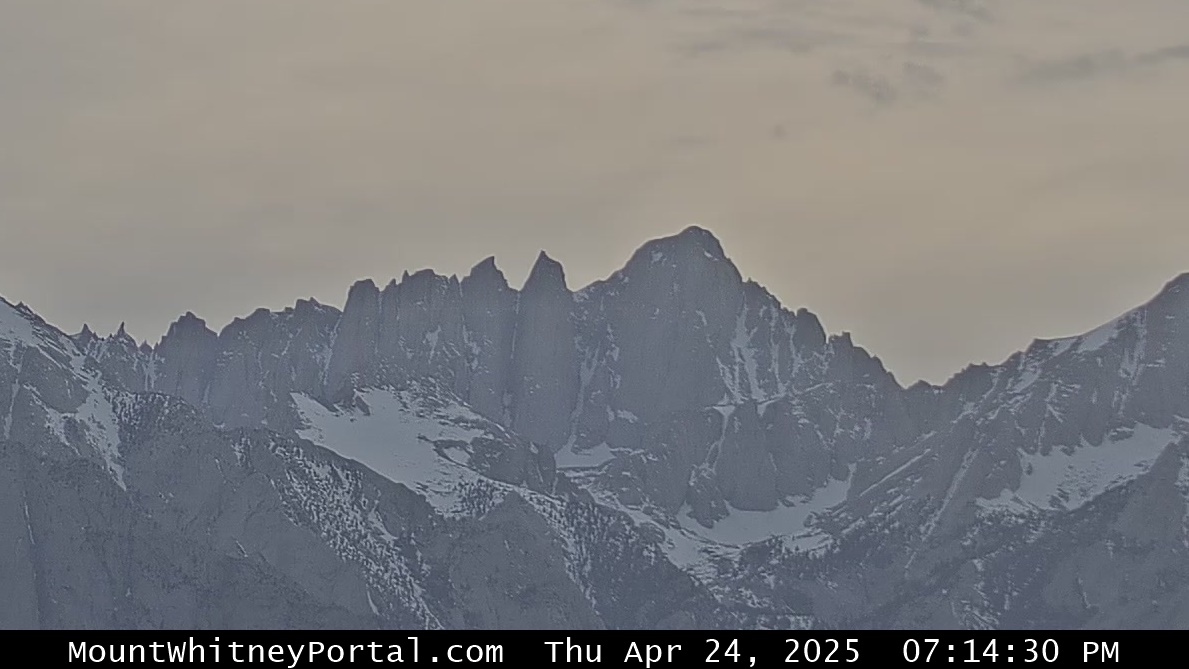
Can anyone that's been up there in the last day or two comment on the status of the snow near the top?
For July 5th here's what to expect. Apologies for any missing details.
Snow Field Traverse (Approx. 45–50 steps total)Step 1–5: Approach and AssessFrom bare trail edge, stop and visually inspect the snow field ahead.
You’ll see a single-track footpath kicked into the snow, angling slightly up to the right.
Face forward, align your hips and shoulders perpendicular to the slope.
Insert trekking poles or ice axe into snow. Tap snow for firmness.
Take a breath. Commit.
Step 6–15: Enter the SnowBegin by stepping left foot first into the compacted snow path.
Keep body slightly leaning into the mountain (right).
Do not look down—instead, keep your eyes focused 10 feet ahead.
Keep knees slightly bent, arms out, trekking poles lightly in snow.
Step length: 2 feet each (short and deliberate).
You will pass two embedded rocks near Step 8 and Step 13 on your right.
Step 16–30: Traverse Mid-Section (Most Exposed)Snow here is harder and slicker. Microspikes should be engaged.
Do not stop here—maintain slow, steady motion.
Look straight ahead, NOT down.
If needed, drive right pole up and into slope at chest height.
Turn your head slightly right every few steps to maintain awareness of the upper slope.
Three rocks protrude from the upper edge of the trail here at ~Step 18, 23, and 28.
Place right foot carefully into each step impression.
Avoid the soft outer edge of the snow path (cliff side).
Step 31–40: Gradual Curve Right to ExitPath curves slightly to the right (west northwest) as it rejoins rock.
Turn your shoulders slightly to follow this curve without twisting your hips.
You’ll see a prominent granite boulder ahead (the "exit rock").
Two final steps pass a narrow rock island where you can tap poles for stability.
At Step 39–40, place your left foot on flat granite ledge.
Step 41–45: Complete ExitFully off snow. Turn body to face trail again.
Take 5 steps on granite to the flattest rest area.
Look back at the snow field and mentally mark your route.
Rock Count Summary:Total visible rocks along snow path: 5–6 small to medium embedded in upper edge.
1 larger boulder at exit, often used as a marker or resting point.
Directional Summary:General Trail Direction: West/Northwest
Body Position: Perpendicular to slope, leaning slightly left (into slope)
Head Turns:
Slight right every 5–6 steps to maintain awareness.
No full turns—avoid disorientation or slipping.
Eyes: Focus 10 feet ahead on snow path.
Gear Tips:Microspikes: Required. Crampons if snow is icy and early morning.
Ice Axe: Strongly advised in early season or if snow is hard.
Poles: Use dual trekking poles for balance. Adjustable preferred.
Gloves: Insulated but flexible.
Helmet: Optional but advisable during freeze-thaw cycles (in case of falling, best protection).
Final Advice:Time of Day Matters: Cross early morning = icy but firm; late day = slushy and unstable.
If you fall: Attempt self-arrest immediately. Otherwise, slide risk could be severe.
Stay safe, and remember: The summit is only halfway! Be prepared to turn back.